
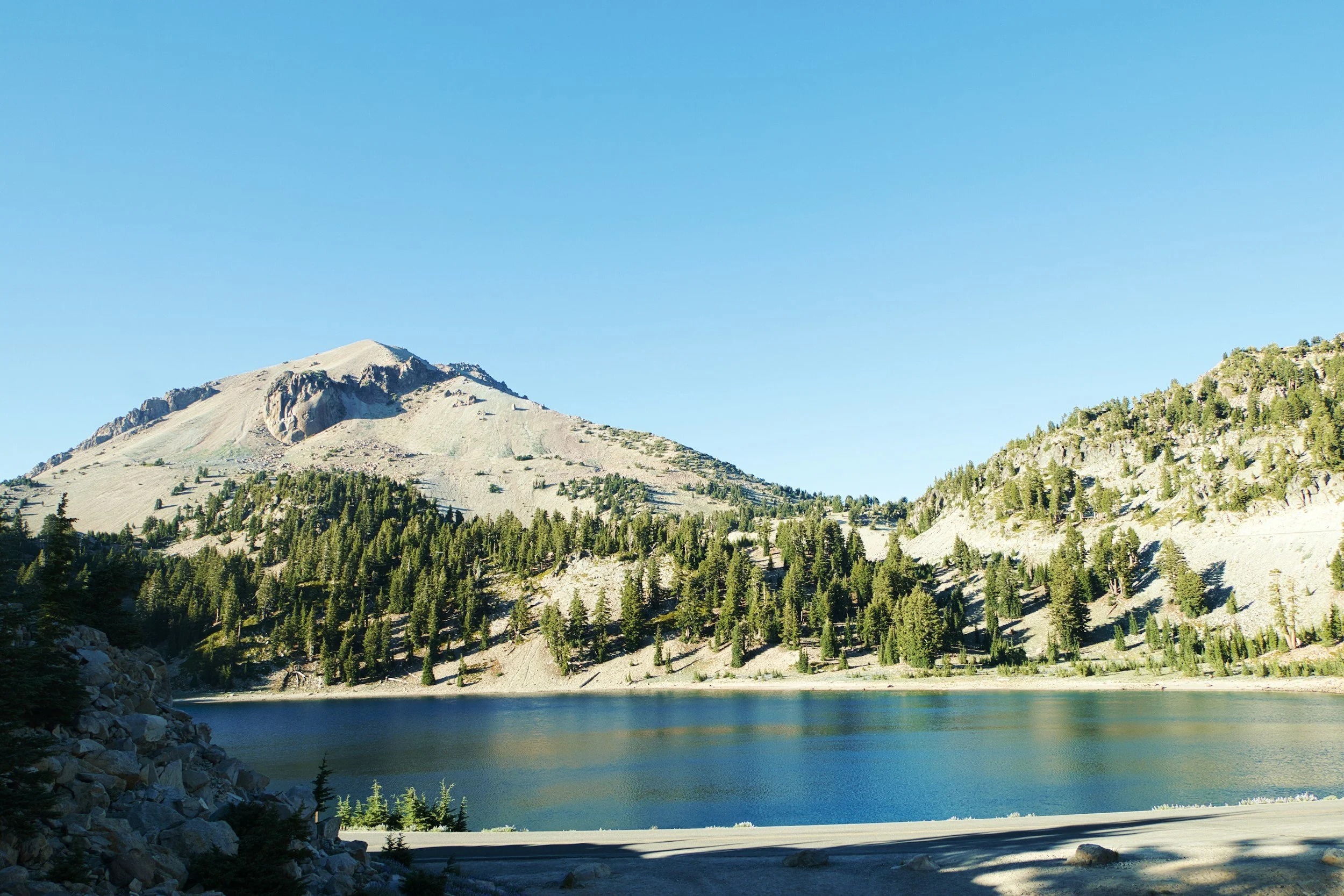
In the volcanic highlands of Northern California, something is moving again. For the first time in nearly a century, wolves have returned to Lassen country, not through human reintroduction, but through sheer instinct and thousands of miles of open country
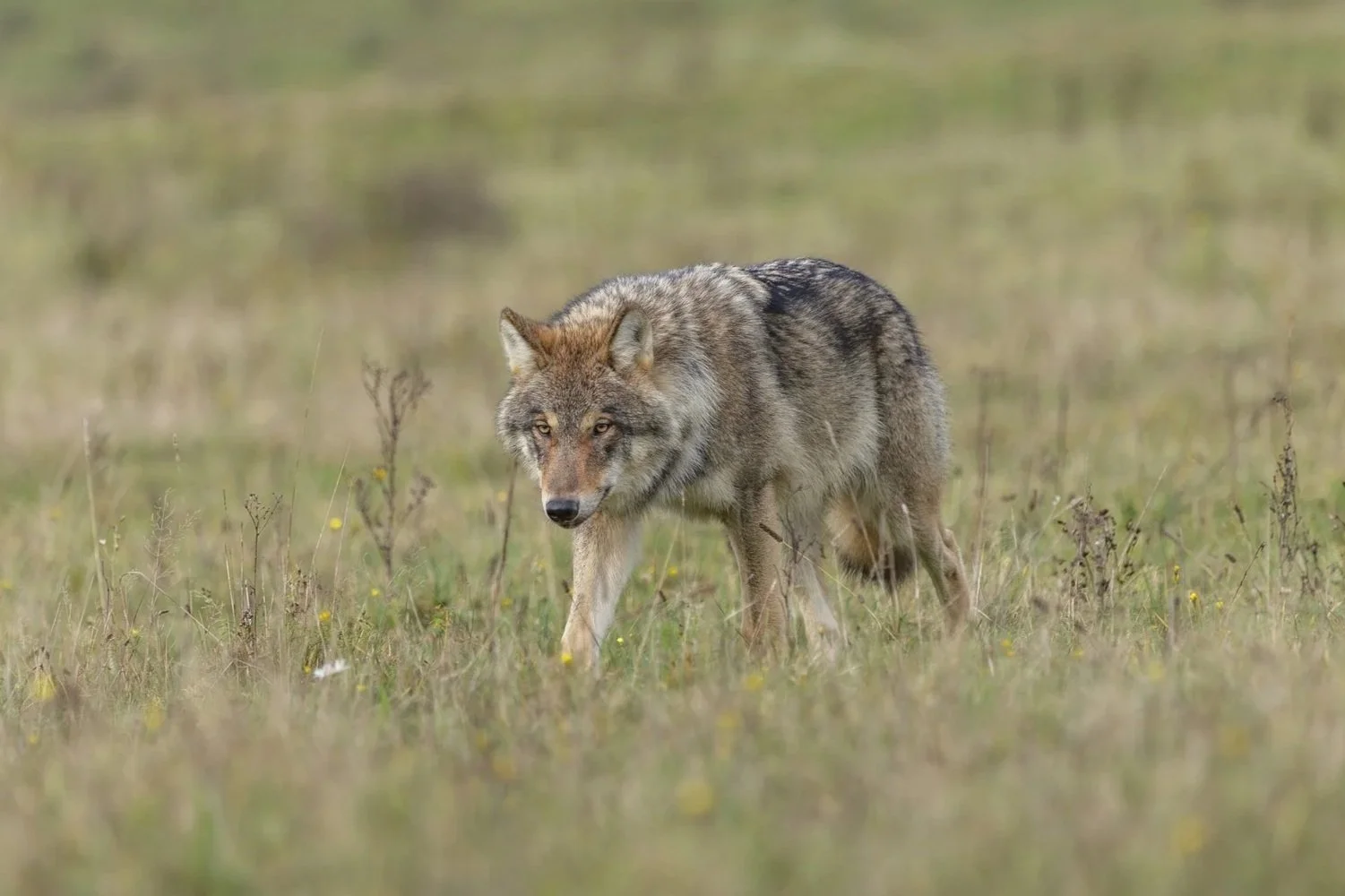
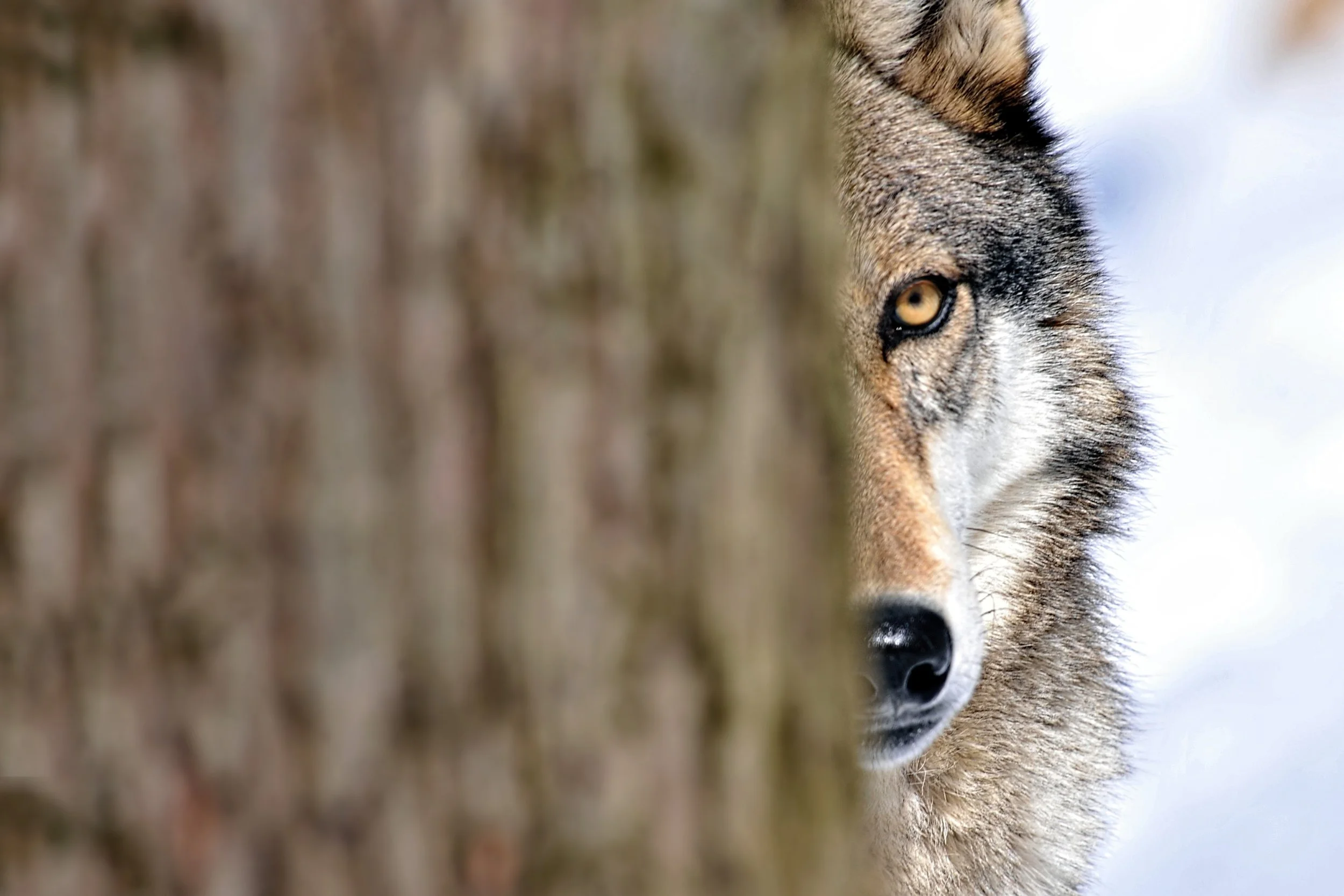
The Lassen Pack traces its origins to OR-7, a wolf that famously traveled from Oregon into Northern California in 2011, becoming the first known wolf in the state in nearly 100 years. The pack's founding male, CA-08M, was a son of OR-7, and the Lassen Pack was confirmed by California Department of Fish and Wildlife in fall 2016 as the first self-sustaining wolf pack documented in California since gray wolves were extirpated from the state in the early 20th century.
"The Lassen Wolf Project" follows one team's journey into the backcountry to find their descendants, and ask the questions no one has answered yet.
Synopsis
In 1924, the last known gray wolf in California was killed. A century later, one walked back in on his own.
In 2011, a wolf designated OR-7 and nicknamed Journey crossed the Oregon border into Northern California, becoming the first documented wild wolf in the state in nearly 90 years. He wasn't placed there by biologists or transported in a crate from Canada. He came on his own terms, covering thousands of miles across unfamiliar terrain driven by instinct alone. His son would go on to found the Lassen Pack, the first self-sustaining wolf pack confirmed in California since the early twentieth century.
"The Lassen Wolf Project" follows our journey into the remote backcountry of Lassen Volcanic National Park and the surrounding Lassen National Forest, where a fragile network of wolf packs has quietly reestablished itself in the volcanic highlands of Northern California. Against the backdrop of two of the most debated wildlife programs in American history, Yellowstone's landmark 1995 reintroduction and Colorado's ongoing and deeply controversial managed reintroduction of Canadian gray wolves, the film asks the questions that science alone cannot answer.
Yellowstone set the gold standard. Sixty six wolves were captured in Canada and transported to a protected federal landscape with decades of scientific planning behind the effort. The results reshaped an entire ecosystem and became the benchmark against which every wolf recovery program since has been measured. But Yellowstone is a national park. The wolves that walked back into Lassen did not arrive in a wildlife carrier. They arrived the way wolves always have, by moving across the landscape until they found somewhere to stay.
Colorado represents the other end of the spectrum. Wolves pulled from their home range in Canada and placed into ranchland, highway corridors, and working landscapes with communities that were never fully part of the conversation. The mortality rates have been high. The conflicts have been real. The costs have been staggering. And the question of whether those wolves were set up to succeed or simply relocated into someone else's problem remains deeply unresolved.
Lassen sits somewhere between those two stories. Natural recolonization in a rugged and remote landscape, yes. But also a population now being actively managed, monitored, and shaped by human decisions about which animals live where and under what conditions. The Canadian gray wolf question still applies. The coexistence question still applies. The ranching community still has the most to lose.
Can an apex predator reestablish itself in a landscape that has fundamentally changed since it was removed? Is coexistence between wolves and the communities that depend on this land not just possible but achievable? And what do we owe the wolves, the ranchers, and the land itself when those interests collide?
The Structure
The documentary unfolds across three parallel narrative threads:
Backcountry Expedition Footage: Multi-day wilderness treks through volcanic terrain, talus fields, and old growth conifer forest place the audience alongside the XPLORIST team as they track wolf sign, deploy trail cameras, and attempt to document pack activity across some of the most remote country in Northern California. The search itself becomes the story.
The Human Side of the Equation: On location conversations with ranchers, livestock managers, biologists, wildlife officials, and local community members capture the full spectrum of perspectives surrounding wolf recovery in the American West. No voice is dismissed. No position is demonized. The film listens before it concludes.
The Yellowstone Lens: Archival reference and expert context from the Yellowstone and Colorado recovery efforts frame the California story within the broader arc of American wolf reintroduction, asking what worked, what didn't, and what lessons have and haven't been carried forward. Lassen is not Yellowstone. It is not Colorado. Understanding why that matters is the film's central argument.
Help Send Us Into the Field.
The Lassen Wolf Project runs on a lean budget and a big mission. Every dollar donated to our expedition fund goes directly into the backcountry, trail cameras, fuel, gear, and the storytelling that brings this world to people who will never paddle or ruck into it themselves.